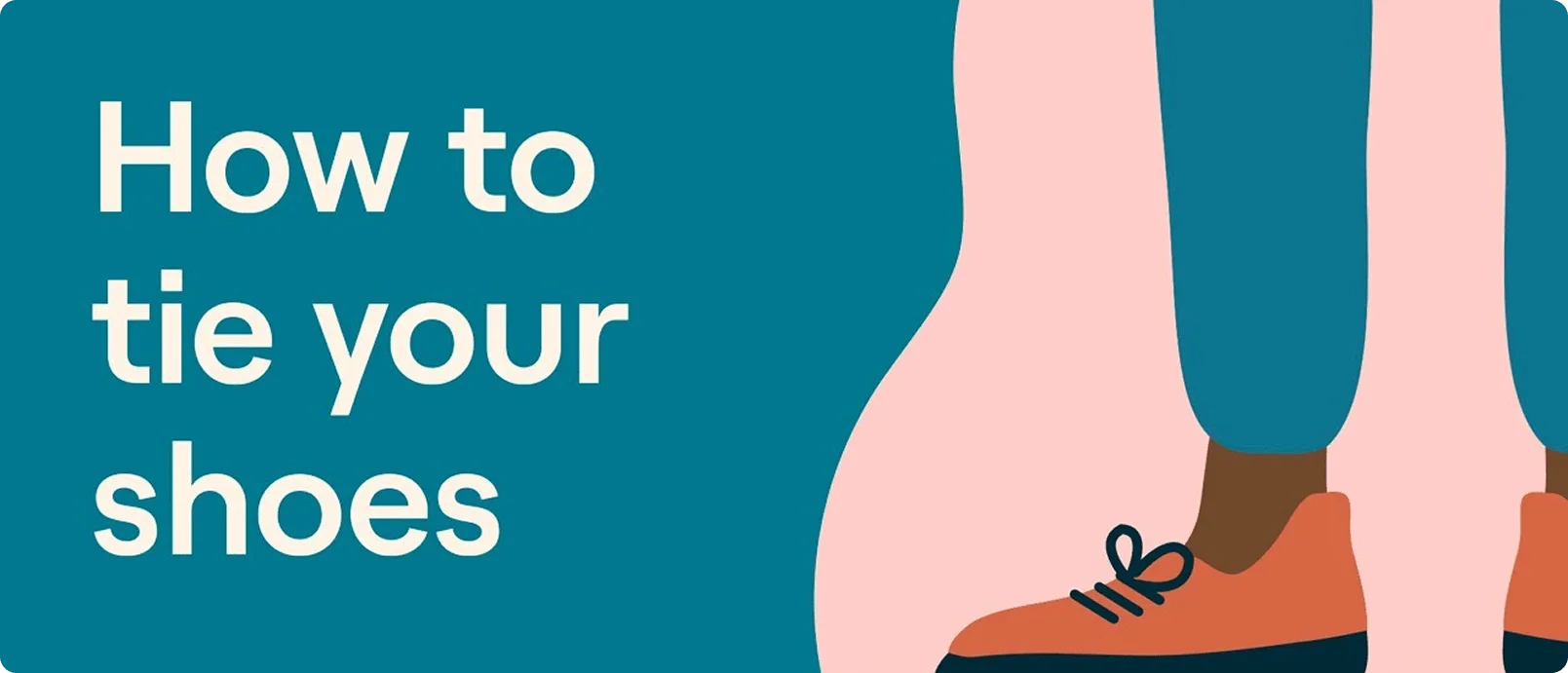
I was eight years old. Every morning, I’d sit on the edge of my bed in our apartment in the Marlboro Projects in Brooklyn and tie the frayed laces of my sneakers, pulling the loops tight so they wouldn’t trip me when I ran. My basketball sat in the corner, leather worn smooth from hundreds of bounces. And before my mom woke up, before my brothers and sisters stirred, before the Q train started clattering across the tracks on Avenue V, I was already outside.
The court at Shady Park was mine at that hour. The backboard was chipped so badly that the white square looked like a puzzle someone had started and given up on. The net was barely a net anymore, just a tangle of strings hanging like tired ribbons. To anyone else, it probably looked like nothing worth playing on. To me, it was the best court in the world.
That’s where my story starts. Not in a gym. Not at some prestigious program. On cracked asphalt in Brooklyn, before sunrise, alone, talking to God without knowing that’s what I was doing.
The Two Worlds I Grew Up Between
Inside our apartment, on the other side of those mornings, that was a different world. The walls were thin. Arguments came through them as they had nowhere else to go. Money was always the subject, or something connected to money. My mom’s sighs before anything was even said would tell me how the day was going to go. I’d tiptoe across the cold linoleum floor, whispering to my younger siblings: ” Don’t make a sound. Just stay quiet.
I learned to read a room before I could read a book properly. I knew which corners of the apartment were safe. I knew the sound of my father’s footsteps when his mood was bad. I carried that weight to school every day, sat at my desk while the teacher’s voice floated in and out, replaying the morning in my head instead of doing fractions.
One morning, I stared at a boy’s bright red Air Jordans so clean they seemed to glow against the gray linoleum floor of the classroom. I looked down at my own shoes. Frayed at the laces. Soles uneven. I felt the gap between us like a physical thing.
That gap was real. But so was the court. And the court didn’t care what shoes you were wearing.
What Basketball Actually Taught Me
My third-oldest brother was the one who first put a ball in my hands properly. He cleaned his sneakers every night with an old toothbrush and a rag they were spotless white, always. He’d take me to the park and work on my crossover. “Too slow,” he’d say, laughing. “You gotta snap it, like this.” Then he’d blur past a defender in his mind, the ball disappearing and reappearing on the other side.
Between drills, we’d argue about the NBA. He was a Knicks man. Ewing’s unstoppable, he’d insist. I’d shake my head. Jordan’s the best, everybody knows that. He’d groan like I’d insulted him personally.
Those mornings weren’t just basketball. He was teaching me something I wouldn’t have words for until much later, which is that showing up is the whole thing. The rim doesn’t care about your circumstances. It only responds to your effort.
Getting Crossed Over by a Future NBA Player
At eleven, I joined the Flames League, a CYO travelling program run by a man named Papa Gerald. The gym at John Dewey High School was the first real gym I’d ever stepped into. Polished wood floors. Perfectly painted lines. I stood at the door holding my small gym bag, hands sweating through the straps, pretending I wasn’t nervous.
That’s where I met Coach Kurt. First thing he said: “Alright, let’s line it up. Let’s see who came to work.” No welcome. No warmth. Just expectation. He made us run suicides until our legs went numb. If one player messed up, everyone ran again. I wanted to quit three times that first week.
But the hardest lesson came from the St. Ann’s Cobras, a team from the Fourth Green Houses in Downtown Brooklyn. Their best player was Omar Cook. The name carried weight even then. He didn’t just dribble, he manipulated time and space. His crossover was the kind that made your feet tangle before your brain could catch up.
In one game, on our home court, I was guarding him on the perimeter. I thought I was ready. Then he moved, and before I understood what happened, my feet crossed, and I hit the hardwood. Hard. The gym went “oooh.” I picked myself up, heart pounding, face burning. He hadn’t just scored. He’d made me fall in front of everyone.
I wasn’t angry at him. I was angry at myself. He was simply operating on a different level and that gap was something I could actually fix.
(Omar Cook went on to play for St. John’s Red Storm and was drafted by the Boston Celtics. Every time I think about that fall, I remember: I was being schooled by a future professional. That’s not humiliation. That’s education.)
The Fight That Mattered Most
Years later, the biggest battle of my life had nothing to do with basketball. It had to do with my son, Jahlon.
I remember taking him to a park in Schenectady when he was small, close to the courthouse, as it happens. He had this fierce love for splashing in puddles of water. It used to get on my nerves back then. Now that memory is pure gold to me. A little boy, determined to be “bad,” is completely in love with the world.
I lost visitation after a car accident nearly took my life. And then began a fight I can barely describe, years of family court, attorneys who took my case and disappeared, paperwork filed and refiled. In March or April of 2021, I finally petitioned the Schenectady Family Court officially. I was living alone in Albany, working overnight security shifts at $18.50 an hour, paying $1,050 a month in rent, eating one proper meal a day sometimes just to keep the lights on.
In June 2022, a judge granted visitation. The moment was quiet. No celebration. Just the words “visitation will be granted” and a peace settling in my chest that I hadn’t felt in years.
It wasn’t the dream. But it was a beginning.
What I Want You to Take From This
I’m not writing this from a place of having it all figured out. I’m writing this from Albany, New York, in 2025, still rebuilding. Still working. Still making calls to my son, who is fifteen now, and navigating the distance between us one conversation at a time.
But I’ve learned this: the court at Shady Park didn’t care about my family’s arguments. The judge at Schenectady Family Court didn’t care about my feelings. Neither did the gas bill, the overnight shifts, or the streets of Far Rockaway.
What carried me through all of it was the same thing that carried me out the door before sunrise at age eight: the habit of showing up. Not when I felt ready. Not when conditions were right. Just showing up.
“Every time life knocked me down, I got back up. Not because I was special or strong, but because I had no other choice.”
If you’re in the middle of something right now, a custody battle, a financial hole, a season where you feel invisible, I wrote The Bounce Back for you. Not the version of you that has it together. The version still tying your shoes in the dark, heading out before anyone else is awake.
That person is worth fighting for. Keep bouncing back.
The Bounce Back Is a Daily Choice
None of these five things came naturally to me. I didn’t wake up resilient. I woke up scared, tired, hungry sometimes, and alone more often than I’d like to admit. The bounce back isn’t a feeling you wait for. It’s a decision you make in the dark, before anyone is watching, with frayed shoelaces to go outside anyway and put the ball up one more time.
That’s it. That’s the whole secret.